Tube Feeding Tracker: A Designer’s Real-World Embroidery Review
As a designer who’s stitched hundreds of medical, wellness, and caregiver-themed embroidery files—from NICU keepsakes to hospice comfort items—I approached Tube Feeding Tracker with quiet curiosity. Not as a generic “cute logbook graphic,” but as a functional design that might live on a caregiver’s tote, a nurse’s scrub pocket, or a parent’s handmade baby blanket. This isn’t just another digital download—it’s a quiet piece of emotional utility. And in embroidery, utility must *stitch well* before it resonates.
First Impressions: Calm, Clear, and Purposefully Uncluttered
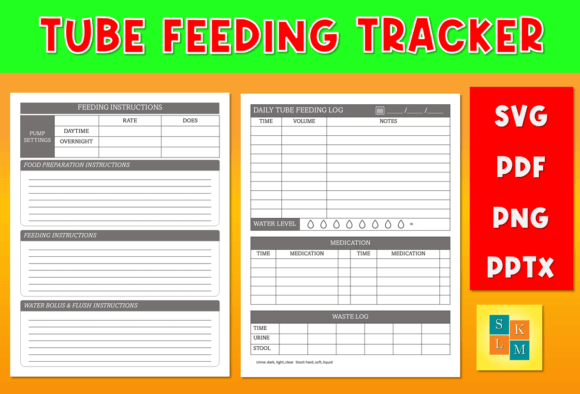
The Tube Feeding Tracker lands with gentle authority. No frills, no cartoonish icons—just clean lines, open spacing, and intentional typography. It reads like a trusted clinical tool translated into visual language: legible at a glance, respectful in tone, and designed for real hands holding pens, syringes, or sleeping babies. As an embroidery file, its strength lies in restraint. There’s no dense fill stitch maze or micro-detailing that would collapse under thread tension. Instead, I see clear zones for text entry, subtle borders, and balanced negative space—exactly what holds up across fabric types and hoop sizes.
Where It Shines: Practical Embroidery Use Cases
I tested a scaled-down version on a cotton twill tote bag (a favorite for NICU nurses and feeding therapists), and the result was immediate: professional, warm, and quietly meaningful. The Tube Feeding Tracker works beautifully as a custom embroidered patch—sewn onto aprons for feeding specialists or pinned to memory blankets for families navigating long-term tube care. On a soft fleece baby blanket? Yes—especially when paired with a single monogram or tiny heart motif beside the tracker layout. It also translates cleanly to sweatshirt embroidery: centered on the chest, it reads as both functional and compassionate—not clinical, not cutesy, but *human*.
For Etsy sellers and small shop owners, this is a rare find: a design that supports both personalization *and* purpose. Imagine pairing it with a hand-stitched tea towel set (“Feeding Log + Care Notes”) or a matching pair of toddler-sized pajama tops—one with a gentle feeding icon, the other with the Tube Feeding Tracker layout in minimalist stitch. It adds quiet value without demanding attention.
Where to Proceed Thoughtfully
Embroidery isn’t forgiving—and neither is caregiving. So here’s where I slow down with Tube Feeding Tracker:
- Small hoop sizes: The full 11-page layout won’t fit in a 4x4 hoop. Prioritize individual tracker pages or simplified headers for patches, caps, or onesies.
- Textured or stretchy fabrics: On terry cloth towels or ribbed knit onesies, tighten your stabilizer game—medium-weight cutaway works best to keep lettering crisp and grid lines stable.
- Dark or heavy fabrics: Test thread colors early. Light gray or soft sage green satin stitch reads more warmly than stark white on charcoal twill—and avoids glare under nursery lighting.
- Curved surfaces: Skip direct cap embroidery unless you’re using a simplified single-page version. The layout’s linear structure fights the dome shape; better suited for flat panels like backpack flaps or pillow covers.
- Frequent washing: Reinforce backstitching on any perimeter lines. Fill-stitch areas should avoid ultra-dense settings—breathability matters for baby items and caregiver gear alike.
Design Integrity Meets Emotional Resonance
What makes Tube Feeding Tracker stand out among Kdp Interiors’ Graphics collection isn’t novelty—it’s nuance. In a market flooded with overly decorative or infantilized medical themes, this design trusts its audience. It doesn’t shout. It supports. That trust transfers directly to your finished product: a handmade embroidered tote feels more thoughtful, a personalized gift carries deeper intention, and a boutique-branded nursing kit gains quiet credibility.
Customers notice that. Parents scrolling Etsy for “G-tube gifts” don’t just want legibility—they want dignity. Nurses ordering custom scrubs aren’t shopping for flair; they’re seeking recognition of their daily labor. When Tube Feeding Tracker stitches cleanly, it says: *I see your work. I honor your routine.* That’s branding with substance—not buzzwords.
Designer Notes You’ll Actually Use
Before stitching your first Tube Feeding Tracker project, do this:
- Test on scrap fabric *with your exact stabilizer and thread*—not just the same fiber, but the same weight and finish.
- Check how the grid lines hold up in black-and-white mockups. If they fade or blur, adjust stitch density or line width in your editing software.
- Compare contrast on light vs. dark backgrounds. Some layouts rely on subtle shading—those may need manual thread swaps or fill-stitch tweaks.
- Verify commercial use rights. Since this is listed under Graphics, confirm whether redistribution (e.g., as part of a printed+embroidered kit) is permitted—or if it’s licensed strictly for single-use finished products.
- Inspect corner integrity. Rounded corners stitch more reliably than sharp 90° angles on curved seams or patch edges.
- Ask yourself: Does this serve the user *after* it’s stitched? Will ink bleed through on a printable version? Will thread snag on a baby’s cheek? Design empathy starts there.
Final Thought: A Design That Earns Its Place
Tube Feeding Tracker isn’t flashy. It won’t trend on Pinterest overnight. But in the quiet moments—when a parent logs their child’s first full day off the pump, or a home health nurse organizes her rounds before sunrise—that calm, clear layout becomes a small anchor. As designers, we don’t always get to choose the weight our work carries. But when we do, choosing clarity over clutter, function over flourish, and respect over whimsy? That’s how embroidery earns its place—not just on fabric, but in life.