Star Battle Logic Puzzle: Graphics for KDP Interiors
First Impression: Clean, Clever, and Quietly Confident
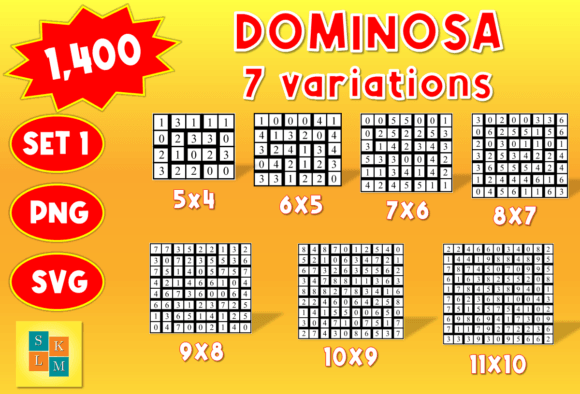
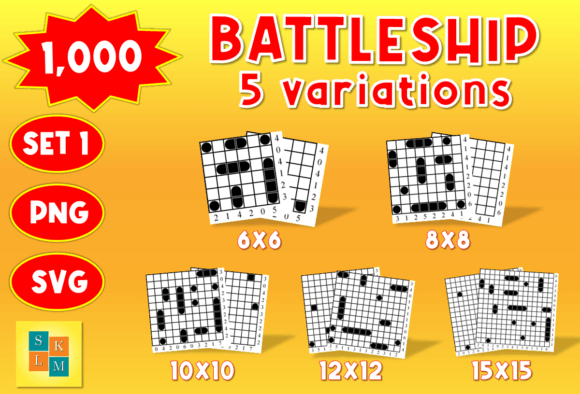
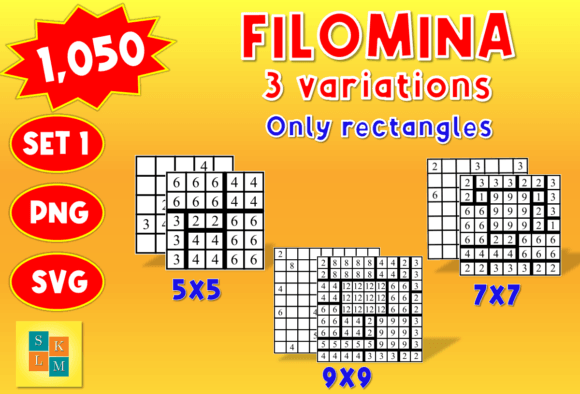
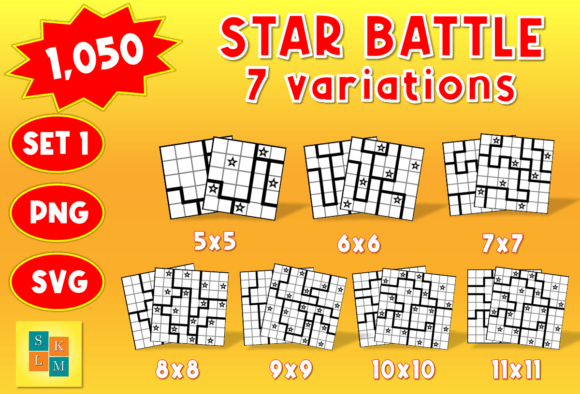
Opening the Star Battle Logic Puzzle digital download felt like unboxing a well-curated design toolkit—not flashy, but instantly trustworthy. Star Battle is a logic puzzle that requires players to place stars or other designated symbols on a grid according to specific rules. In this listing, you’ll receive 1,050 unique puzzles across seven distinct grid sizes and difficulty tiers—all delivered as crisp, scalable graphic design assets. Visually, it’s modern design at its most functional: high-contrast grids, consistent line weights, subtle negative space, and zero visual noise. It reads as educational without feeling academic, playful without veering into childishness, and structured without seeming rigid. This isn’t decorative wallpaper—it’s editorial design with intention.
Where It Fits Naturally in Your Content Ecosystem
As a blog designer who ships real content weekly, I immediately saw how Star Battle Logic Puzzle supports multiple publishing touchpoints. It’s ideal for niche sites focused on lifelong learning, puzzle communities, classroom resources, brain-training newsletters, or even mindful productivity blogs. The aesthetic leans clean, calm, and quietly intelligent—perfect for audiences who value clarity over clutter. It avoids seasonal clichés, gendered tropes, or trend-chasing visuals. Instead, it builds brand identity through consistency: every puzzle shares the same typographic rhythm, spacing logic, and visual grammar. That cohesion translates directly into stronger reader trust—especially when used across a series of digital guides, worksheets, or downloadable printables.
Real Publishing Uses—Beyond Just “Puzzle Images”
- Blog featured images that double as Pinterest pins—its grid structure creates natural focal points for headline text overlays
- Newsletter headers for brain-teaser roundups or weekly challenge drops
- Digital product covers for logic puzzle eBooks, especially in KDP Interiors where interior layout quality impacts perceived value
- Content upgrades like “5-Star Starter Pack” lead magnets—simple, scannable, and instantly usable
- Canva template foundations for educators building no-code classroom resources
- Social media graphics for Instagram carousels or LinkedIn posts about cognitive engagement
- Website header accents or category thumbnails that signal “this is a thinking space,” not just a content feed
How It Lifts Content Performance—Not Just Aesthetics
This isn’t about making things “prettier.” It’s about making them work harder. Star Battle Logic Puzzle strengthens visual hierarchy by giving your layout an instant anchor—readers’ eyes land on the grid first, then flow naturally to supporting text. That improves click-through potential on Pinterest and email previews. Its uniformity builds better category recognition: if all your puzzle-related posts use this same graphic language, readers begin to associate that visual rhythm with your brand. And because each puzzle is legible at multiple scales, it supports more professional-looking content pages—no awkward cropping, no blurry fallbacks. For affiliate marketing or digital product launches, that polish signals credibility before a single word is read.
Where It Shines—and Where to Proceed Thoughtfully
Star Battle Logic Puzzle works best as a hero image, article thumbnail, or Pinterest pin—places where strong shape, contrast, and simplicity win. It also elevates editorial accents (e.g., section dividers in digital guides), downloadable resources (PDF worksheets with embedded puzzles), and social media previews where algorithm-friendly clarity matters.
Use it carefully in small mobile thumbnails unless you test legibility—some grid lines may blur below 300px width. Avoid pairing it with text-heavy blog images where the puzzle competes with copy. It’s less suited for serious professional niches like legal or financial advisory sites unless contextualized thoughtfully (e.g., “logic in decision-making” framing). And while it’s versatile, it doesn’t replace minimalist corporate design—it’s not built for ultra-low-contrast, monochrome branding systems.
Publisher Notes You’ll Actually Use
- Test it inside your real blog layout—not just as a standalone file—to see how it interacts with your headline fonts and sidebar elements
- Preview it as a Pinterest pin: does the grid pop at 1000×1500? Does text overlay remain readable?
- Check contrast and readability against both light and dark backgrounds—some versions include optional grayscale variants
- Try it beside serif, sans serif, script, handwritten, and display font styles—its neutrality makes it shockingly adaptable
- Confirm file size: these are optimized for web performance, but always compress further before uploading to WordPress or email platforms
- Verify the commercial license covers your use case—yes, it does for monetized websites, affiliate pages, and paid digital downloads
Why This Belongs in Your Design Assets Library
In a world of generic stock graphics and overdesigned Canva templates, Star Battle Logic Puzzle stands out by doing one thing exceptionally well: enabling clarity. As a graphic design asset, it doesn’t shout—it invites. It doesn’t distract—it directs. Whether you’re building small business branding for a puzzle subscription box, creating digital guides for online educators, or designing social media graphics for a brain-health newsletter, this collection delivers consistent, clickable, and commercially safe creative design. It’s not just another digital download. It’s infrastructure for thoughtful content marketing—quietly strengthening your visual hierarchy, reinforcing your brand identity, and helping your audience pause, engage, and return.