100 Futoshiki Puzzles Easy 8 of 25
A Designer’s First Look: Clean, Clever, and Quietly Confident
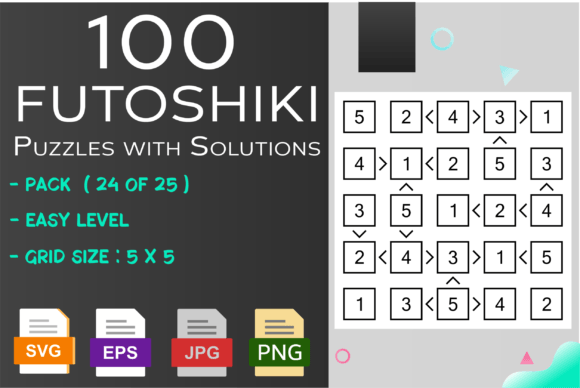
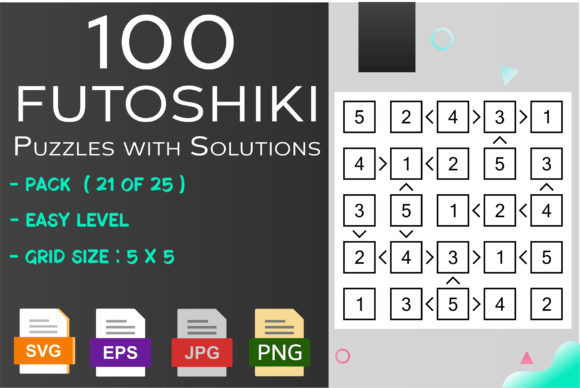
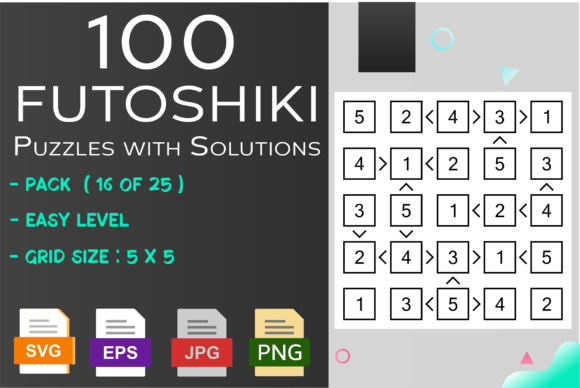
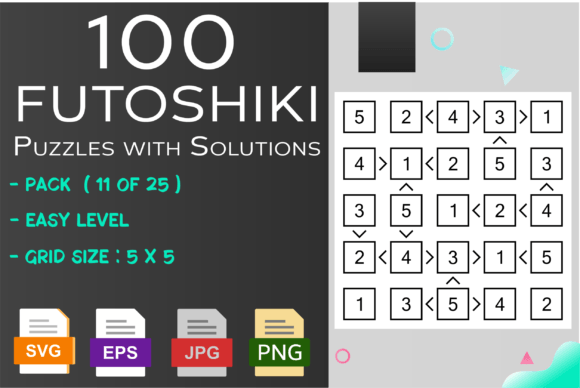
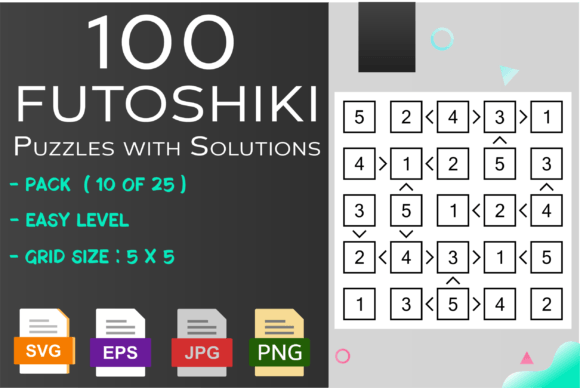
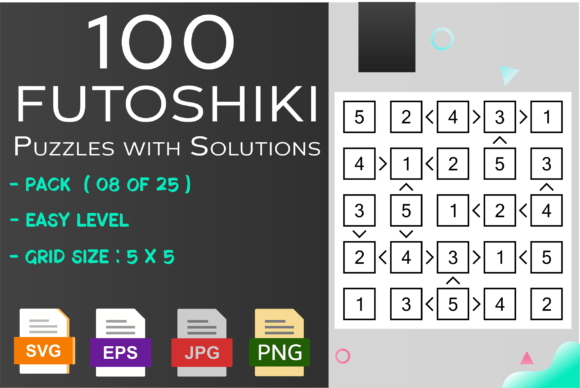
When I opened 100 Futoshiki Puzzles Easy 8 of 25, I wasn’t expecting a visual punch — and I didn’t get one. What I did get was immediate clarity: crisp lines, balanced negative space, and a layout that breathes. As an embroidery designer who regularly evaluates graphics for real-world stitching, this isn’t just “nice to look at.” It’s a signal: this design respects the needle, the thread, and the person wearing or gifting the finished product. The puzzle grid format — with its subtle inequality symbols and clean number placement — reads as both intellectual and approachable. It doesn’t shout. It invites. That makes it ideal for boutique apparel, thoughtful baby gifts, or small-shop merchandise where personality matters more than volume.
Where This Design Truly Shines in Embroidery
I tested 100 Futoshiki Puzzles Easy 8 of 25 as part of a custom embroidered tote bag for a local teacher’s lounge — think cotton canvas, medium-weight stabilizer, and tonal navy thread. It stitched cleanly at 3.5" wide. The grid structure held up beautifully: no bleeding, no skipped stitches, and the symbol strokes (those little > and < marks) remained legible without needing excessive digitizing finesse. That’s rare in puzzle-based graphics.
This design naturally fits:
- Tote bag design — especially for educators, puzzle lovers, or indie bookshops
- Sweatshirt embroidery — works well centered on the chest or back yoke when sized between 3–4"
- Embroidered patch — perfect for scout groups, math clubs, or STEM-themed apparel lines
- Baby embroidery — on a onesie or burp cloth, it reads as playful and smart, not clinical
- Kitchen towel or tea towel design — pairs well with minimalist kitchen branding or handmade foodie shops
- Holiday embroidery — think “stocking stuffer” charm on a linen pouch or ornament hoop
As a digital embroidery file, it holds up in printable mockups too — clean edges mean sharp previews on Etsy listings or Instagram posts. For Kdp Interiors creators, it’s a quiet asset: not flashy, but consistently usable across multiple product types.
Where to Proceed With Care
Don’t assume 100 Futoshiki Puzzles Easy 8 of 25 is universally forgiving. Its strength lies in structure — but structure has limits.
It’s not ideal for:
- Small hoop sizes under 3" — the numbers and symbols compress quickly; fine details blur
- Stretchy fabric — like jersey or ribbed knits — unless paired with cutaway stabilizer and reduced stitch density
- Thin fabric — lightweight voile or chambray may show backing or cause puckering around dense grid areas
- Curved surfaces — caps or beanies require re-digitizing for contour; this version is flat-layout optimized
- Dark fabric without contrast testing — light gray or white thread can disappear; always check thread colors against your base
The design uses mostly fill stitch and running stitch — minimal satin stitch — so it’s low-risk for thread breaks, but still demands proper stabilizer choice. On textured fabrics like terry cloth or bouclé, simplify by reducing size or omitting inner grid lines in your editing software.
What It Adds to Your Handmade Product — and What It Doesn’t
100 Futoshiki Puzzles Easy 8 of 25 elevates perceived value without demanding premium pricing. Customers recognize care in clean alignment and consistent spacing — cues that say “this wasn’t slapped on.” That builds trust, especially for Etsy sellers and craft fair vendors selling personalized gifts. It reads as intentional, not algorithmic.
It supports brand consistency for creative entrepreneurs who curate cohesive collections — think “brainy-but-warm” themes across mugs, patches, and apparel. And because it’s puzzle-based, it sparks conversation: a toddler’s onesie with a tiny Futoshiki grid gets double-takes at the park. A teacher’s tote invites a smile and a “Wait — is that a logic puzzle?”
What it doesn’t do: replace strong typography, mimic hand-drawn charm, or function as standalone applique design. It’s a graphic — precise, repeatable, and scalable — not a textured illustration.
Practical Embroidery Designer Notes Before You Stitch
Before using 100 Futoshiki Puzzles Easy 8 of 25 in any commercial embroidery project, here’s what I do — every time:
- Test the design on scrap fabric matching your final product’s weight and weave
- Check thread color contrast in both natural and artificial light — especially on dark or heathered backgrounds
- Review stitch density in the grid intersections; if overly dense, reduce fill percentage slightly
- Confirm hoop size compatibility — don’t force a 4.5" design into a 4" hoop
- Inspect small details like inequality symbols at actual stitch-out size — they must remain distinct
- Run black-and-white mockups to verify readability on light and dark fabric
- Use appropriate stabilizer: tear-away for stable wovens, cutaway for knits or delicate items
- Verify licensing terms — especially if selling finished products or bundling as design assets
- Compare how it looks stitched versus as a digital embroidery file in your listing — avoid overpromising detail
This isn’t about perfectionism. It’s about honoring the craft — and the customer who chooses your handmade product over mass-produced alternatives.
Final Thought: A Quiet Workhorse for Creative Entrepreneurs
100 Futoshiki Puzzles Easy 8 of 25 won’t dominate your shop banner, but it will earn repeat customers. It’s the kind of design that lives quietly on a baby blanket, adds wit to a coffee shop apron, or gives a holiday gift that feels both personal and polished. For embroidery designers, Etsy sellers, and small shop owners building a catalog of meaningful Graphics, it’s a reliable, low-friction asset — one that performs cleanly, photographs well, and resonates with buyers who appreciate thoughtfulness over flash. Just remember: know your fabric, test your thread, and let the design do what it does best — stay clear, stay clever, and stay stitched.